



Oxide Layers and Polishing
Oxide layers naturally form on metal surfaces when exposed to air or high temperatures. While they can protect metals from corrosion, they also create challenges in polishing processes.
- Reduced Surface Smoothness
Oxide layers are typically uneven and hard:
- Irregular thickness
- Rough surface texture
- Harder than base material
This leads to uneven polishing results.
- Poor Polishing Efficiency
Oxide layers increase resistance during polishing:
- Higher grinding force required
- Increased tool wear
- Longer processing time
Reduces overall production efficiency.
- Surface Defects After Polishing
If oxide layers are not properly removed, defects may occur:
- Scratches
- Uneven gloss
- Residual oxide marks
Affects product appearance and quality.
- Impact on Adhesion & Coating
Oxide layers can reduce coating adhesion:
- Poor plating adhesion
- Coating peeling
- Reduced durability
Proper oxide removal is essential before finishing.
- Different Metals, Different Effects
Different metals form different oxide layers:
- Aluminum: thick oxide layer
- Stainless steel: passive oxide film
- Brass: oxidation discoloration
Requires customized polishing solutions.
- How to Handle Oxide Layers in Polishing
To achieve high-quality polishing results, manufacturers should:
- Pre-treatment
- Chemical cleaning
- Mechanical grinding
- Proper Abrasives
- Coarse abrasives for oxide removal
- Fine polishing for finishing
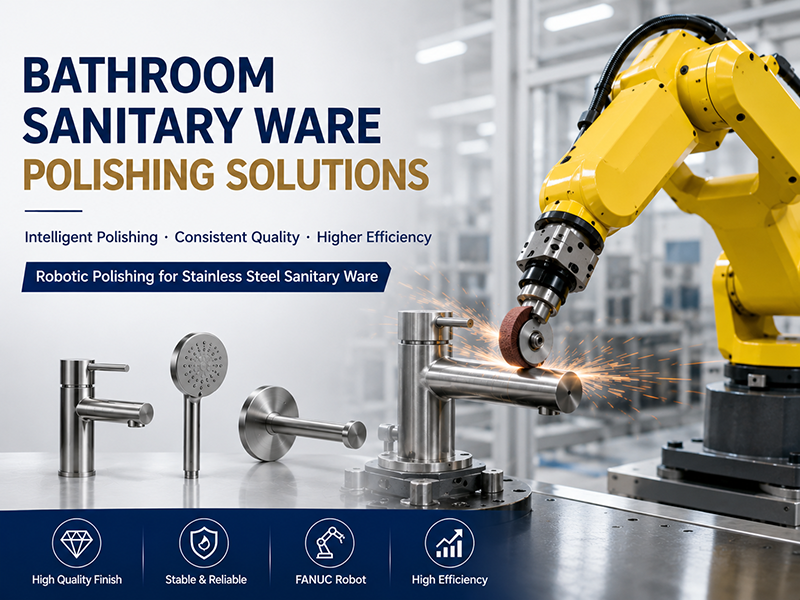
- Use Automated Equipment
- Automatic polishing machines
- Robotic grinding systems
Ensures stable and efficient oxide removal.
- Role of Automation
Automated polishing systems provide better control over oxide removal:
- Consistent force control
- Repeatable process
- Reduced human error
Ideal for high-quality surface finishing.
- Conclusion
Oxide layers significantly affect polishing quality, efficiency, and final product performance. By using proper processes and automated polishing solutions, manufacturers can effectively control oxide-related issues and achieve superior surface finishing.
If you are looking for reliable automatic polishing machines or robotic grinding solutions for oxide removal and surface finishing, we offer customized solutions tailored to your production needs.